BLUEBELLS
A native under pressure
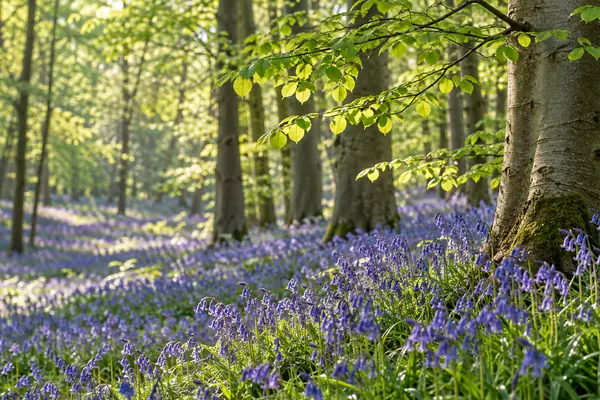
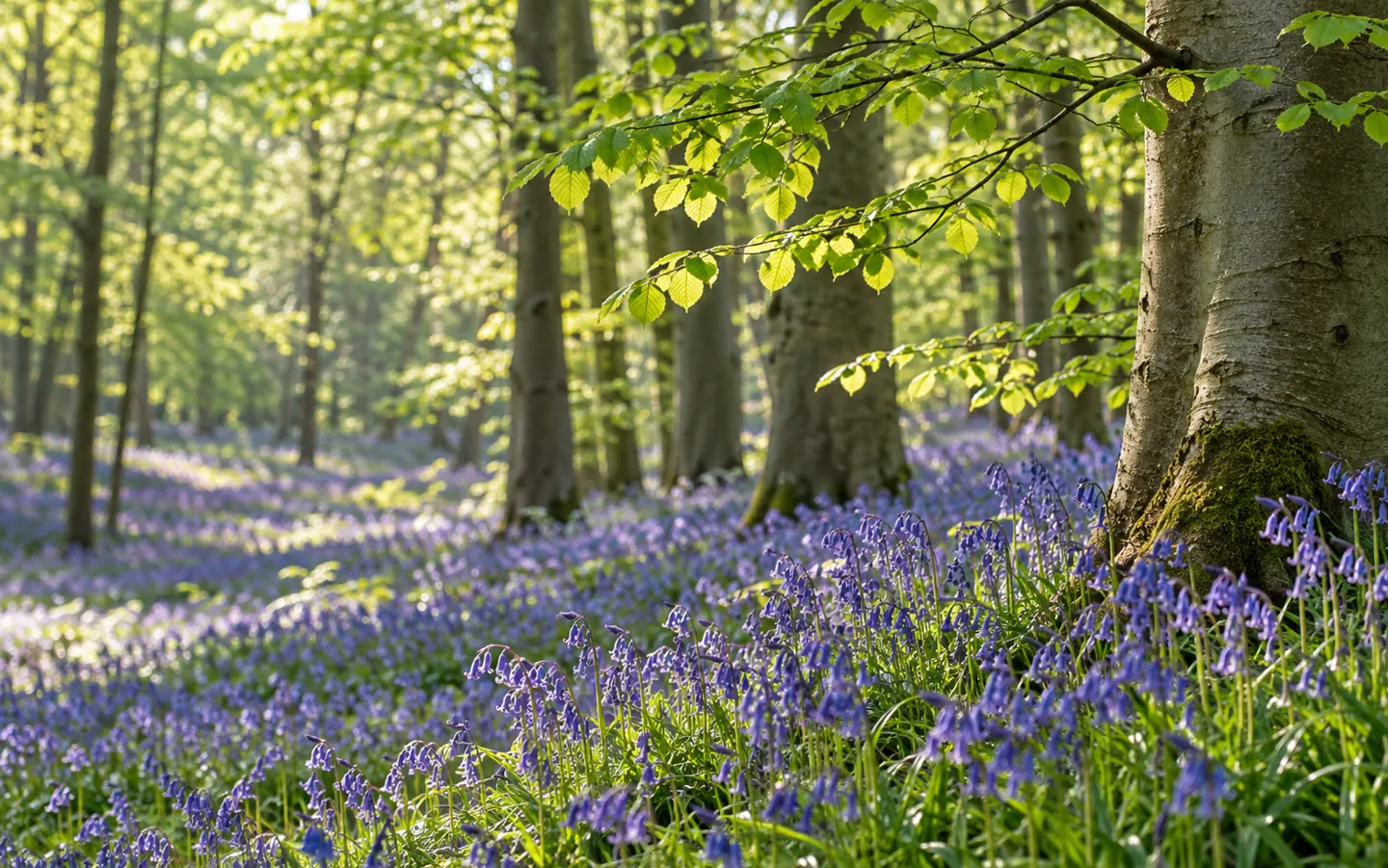
Spanish bluebells escaping from gardens cross with our native bluebell. Plantlife says in one survey about one in six bluebells in broad-leaved woodland was Spanish.
See the numbers hybridspec
00WHAT THE SCIENCE SAYS
Species are meant to stay apart. Sometimes they don't.
A horse and a donkey make a mule, which is usually infertile. But plants mix far more easily, and in Britain hybrids have created a brand-new grass, blurred the native bluebell and pushed the Scottish wildcat to the edge.
Check a hybrid01Principles
02THE SHORT ANSWER
Three British stories show the range,
from a new species to a species under threat.
BLUEBELLS
Spanish bluebells escaping from gardens cross with our native bluebell. Plantlife says in one survey about one in six bluebells in broad-leaved woodland was Spanish.
See the numbersCORD-GRASS
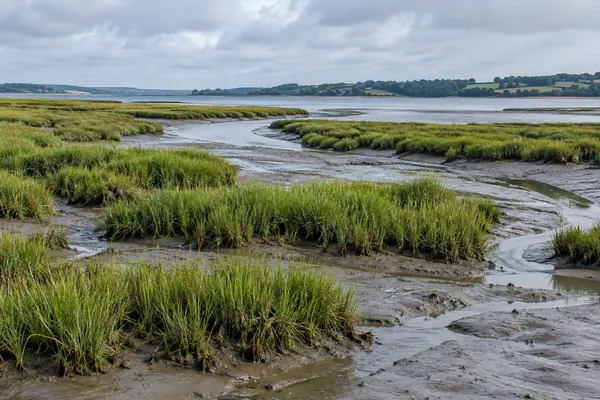
An American grass met a native one in Southampton Water. Their sterile hybrid gave rise to a new species, Spartina anglica, by the end of the 19th century.
Read the storyWILDCATS
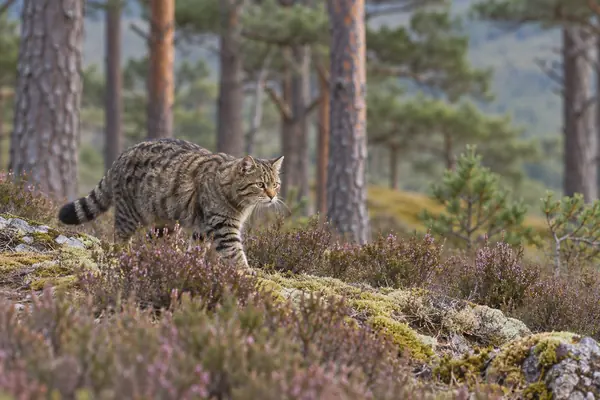
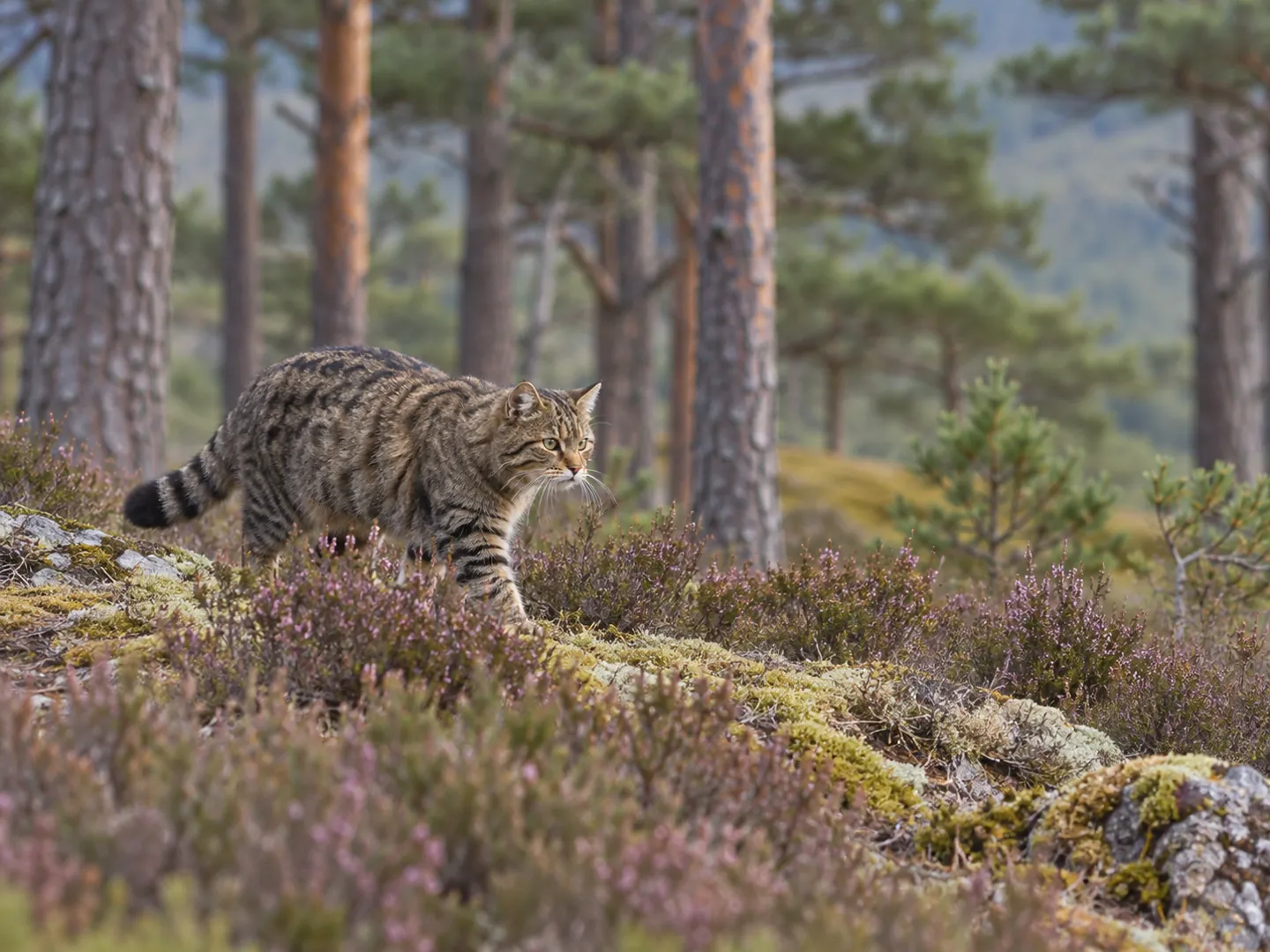
Scotland's wildcat has bred with domestic cats so much that none of 529 samples from wild-living cats alive during a recent project scored as wildcat.
How people help03A QUICK HYBRID CHECK
Pick a hybrid to see whether it can usually breed. The bar shows how readily it passes its mixed genes on.
Based on the Natural History Museum, the Botanical Society of Britain and Ireland, the Woodland Trust and a 2010 study in Annals of Botany.
04TWO NUMBERS WORTH KNOWING
One figure from a woodland flower survey,
one from a decade of work on Scottish wildcats.
1 in 6
Bluebells in broad-leaved woods that were Spanish
In a survey reported by Plantlife, around one in six bluebells found in broad-leaved woodland was a Spanish rather than a native bluebell. The UK has about half the world's bluebells.
BLUEBELLS · PLANTLIFE
0 of 529
Samples from living wild cats that scored as wildcat
Scottish Wildcat Action tested 529 cat samples. None from wild-living cats alive during the project scored as wildcat, and hybridisation has increased markedly since about 1995.
WILDCATS · NATURESCOT 2023
In 2019 an IUCN Cat Specialist Group review concluded that Scotland's wild wildcat population was no longer viable without reinforcement or reintroduction.
05FOUR THINGS PEOPLE DO
Hybrids are a natural process, but people have moved plants and pets around. These are the steps conservation groups describe.
Native flowers droop to one side of the stem and have creamy white pollen. Spanish bluebells stand upright with flowers all around the stem.
The Wildlife and Countryside Act 1981 protects bluebells: digging up the plant or bulb in the countryside is prohibited.
Scottish Wildcat Action encouraged neutering and vaccination of pet cats, and trapped and neutered 205 feral and obvious hybrid cats.
The project collected 769 cat records from the public; 45 were verified as wildcat by appearance. Sightings help target the work.
06A NEW SPECIES IN HAMPSHIRE
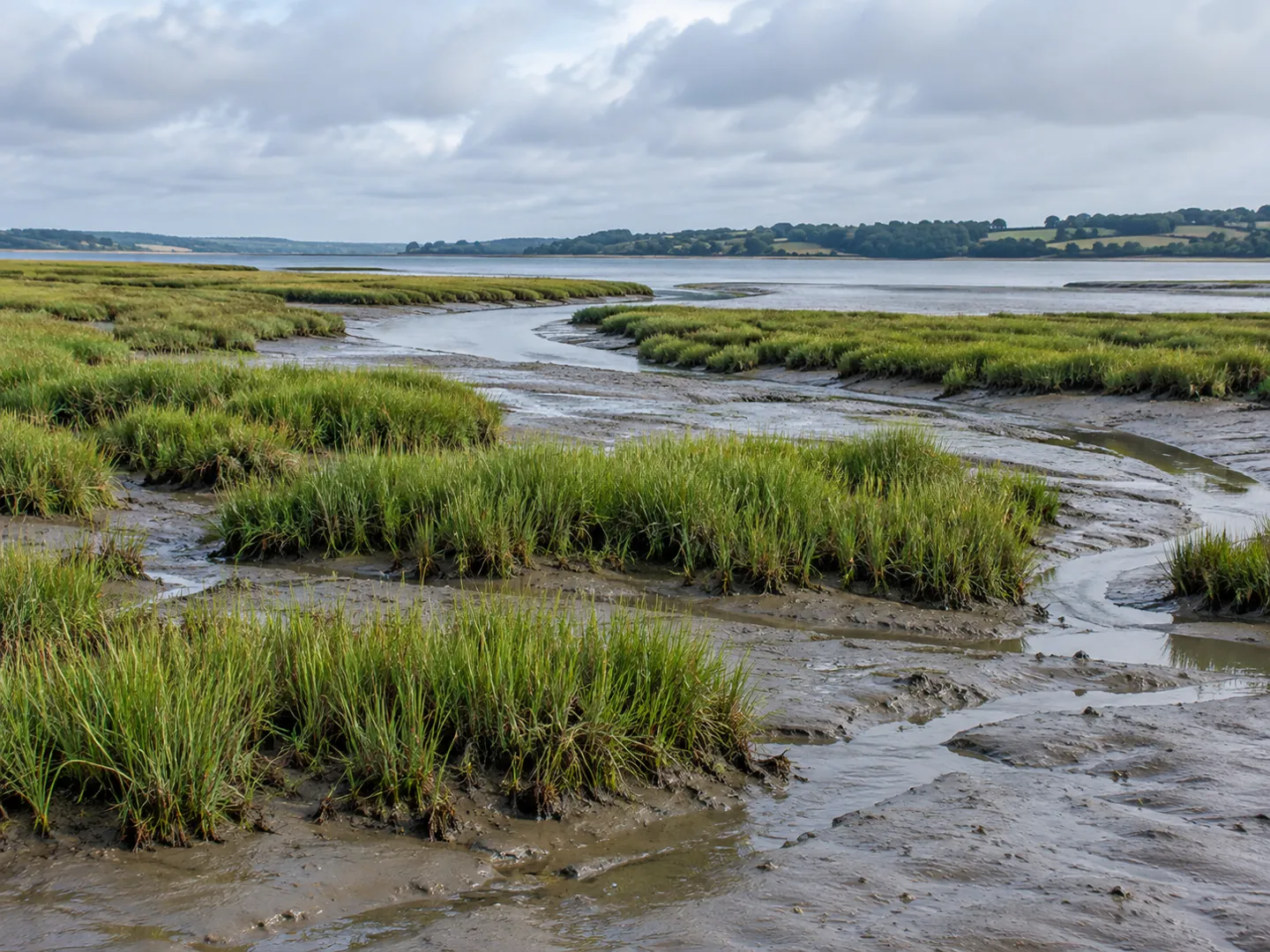
An American cord-grass was first collected on the River Itchen in 1816, probably brought by shipping. It crossed with our only native cord-grass to make Townsend's cord-grass, first collected at Itchen Ferry in 1846 and at Hythe in 1870. That hybrid is sterile.
Then its chromosomes doubled. The result, Spartina anglica, carries about 120 chromosomes, roughly 60 from each parent, and is counted as a new species. It is now far more widespread than the hybrid it came from.
07Questions
The offspring of two different species, such as a mule from a horse and a donkey. Under the most common definition, a species is a group that can breed to produce fertile offspring, so infertile hybrids like the mule are not species.
No. Mules are often infertile, but the Natural History Museum notes that ligers and tigons can sometimes be fertile, more than 10% of bird species produce fertile hybrids, and plants hybridise even more easily.
Yes. In Southampton Water, a sterile hybrid cord-grass gave rise to Spartina anglica, a new species with about 120 chromosomes, at the end of the 19th century.
The Woodland Trust says native bluebells nod to one side of the stem and have creamy white pollen. Spanish bluebells are upright with flowers all round the stem; hybrids can look very like natives.
NatureScot's 2023 report lists low numbers, hybridisation with domestic cats, accidental persecution and possibly road deaths, disease and habitat change. Hybridisation has increased markedly since about 1995.
08Sources
ABOUT THIS NAME
hybridspec.com is part of the DoodleSale portfolio. It isn't in an auction right now, but you can ask about leasing it.